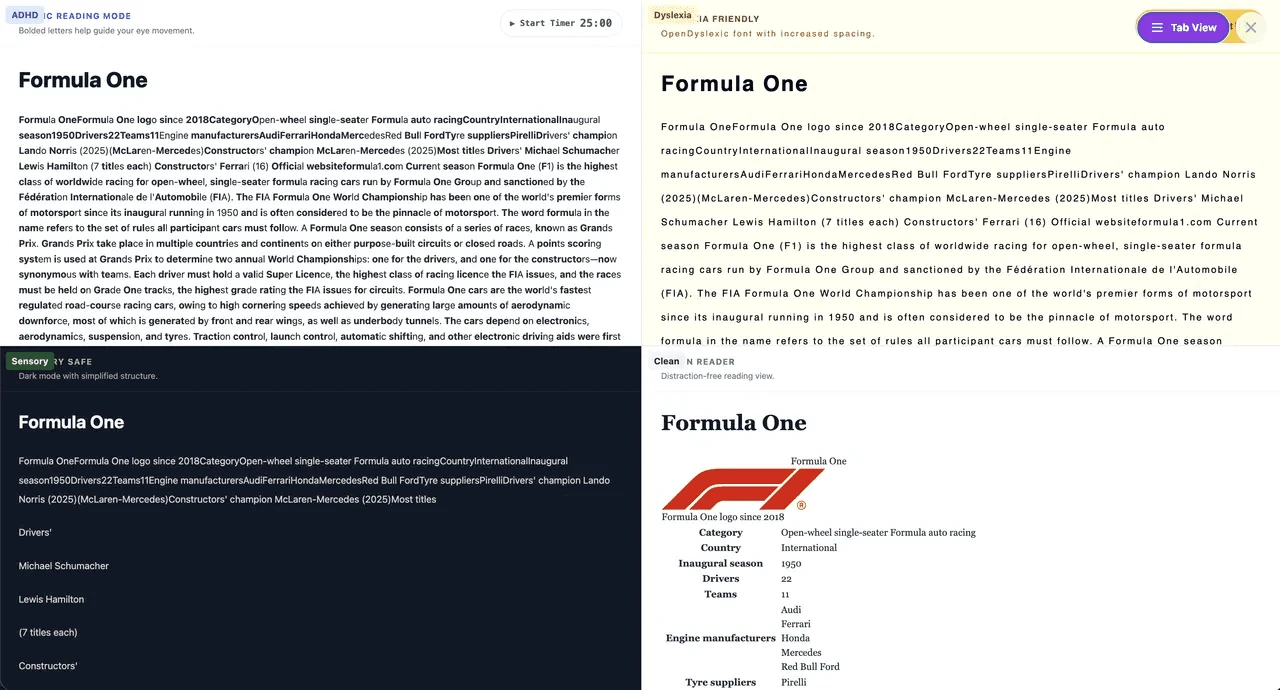
ADHD
Reduces distractions and visual competition to support focus.

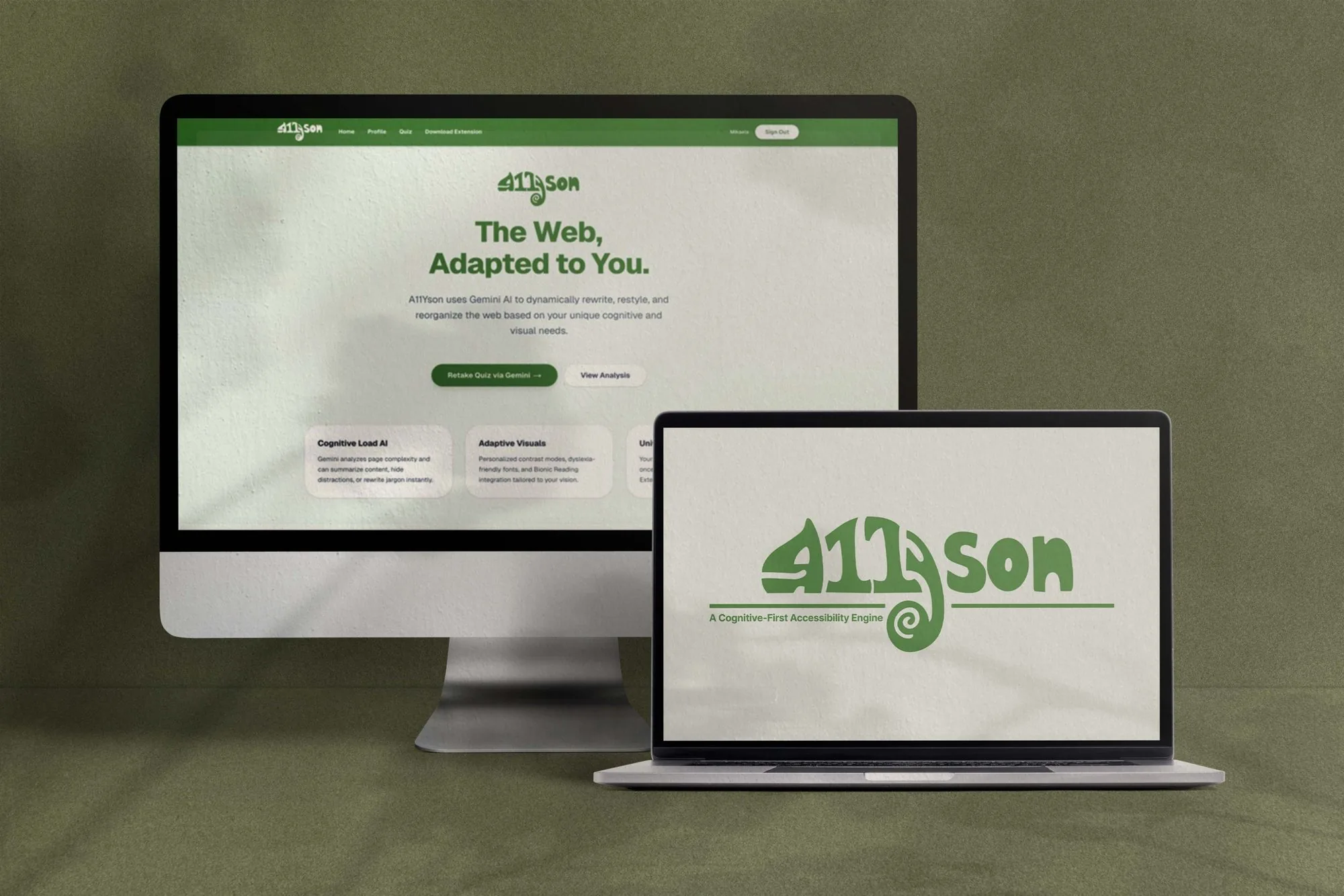
Hackville 2026’s theme was accessibility, covering physical, cognitive, and other needs. In 24 hours, our team built A11yson, an AI-powered cognitive accessibility platform designed to make the web neuro-inclusive. It is a Chrome extension that changes how any website is presented without changing what it says.
We ideated together, and I designed the brand identity and logo and co-designed the website. We shipped a functional front end and back end with a team of 4 within 24 hours.
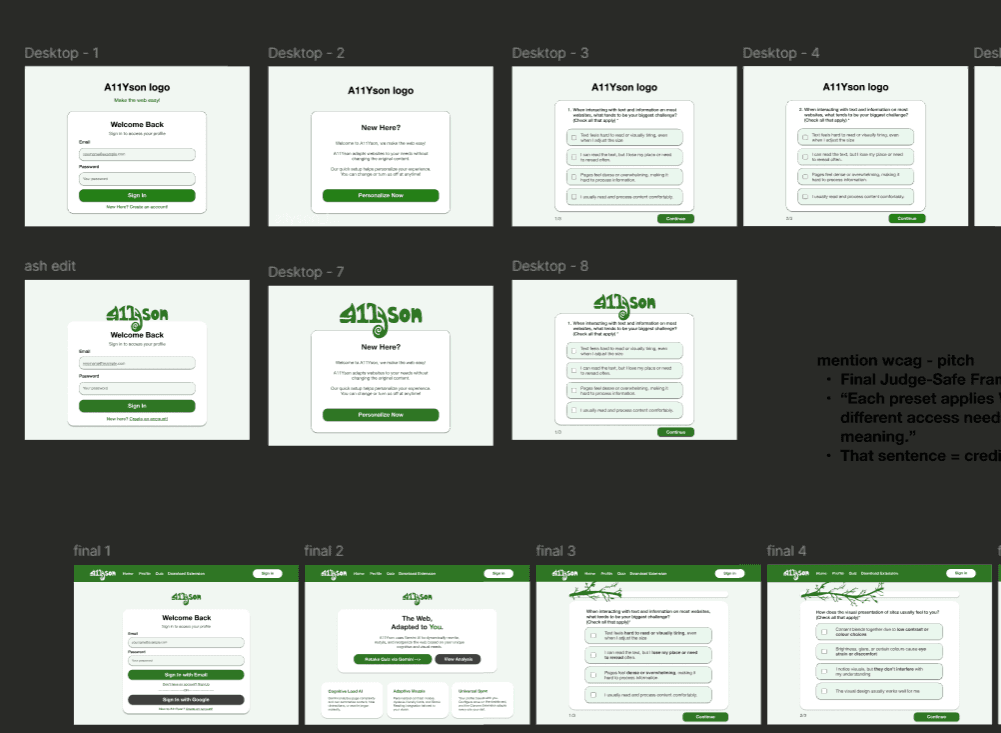
Theme drop: Accessibility. We weighed everything from health apps to a Chrome extension, and picked the extension to build something we’d never made before.
Many websites meet accessibility standards on paper but still overwhelm people with dense layouts, harsh contrast, motion, and clutter. And most fixes work one site at a time, while people use the whole web.
How might we present information to users according to their cognitive needs?
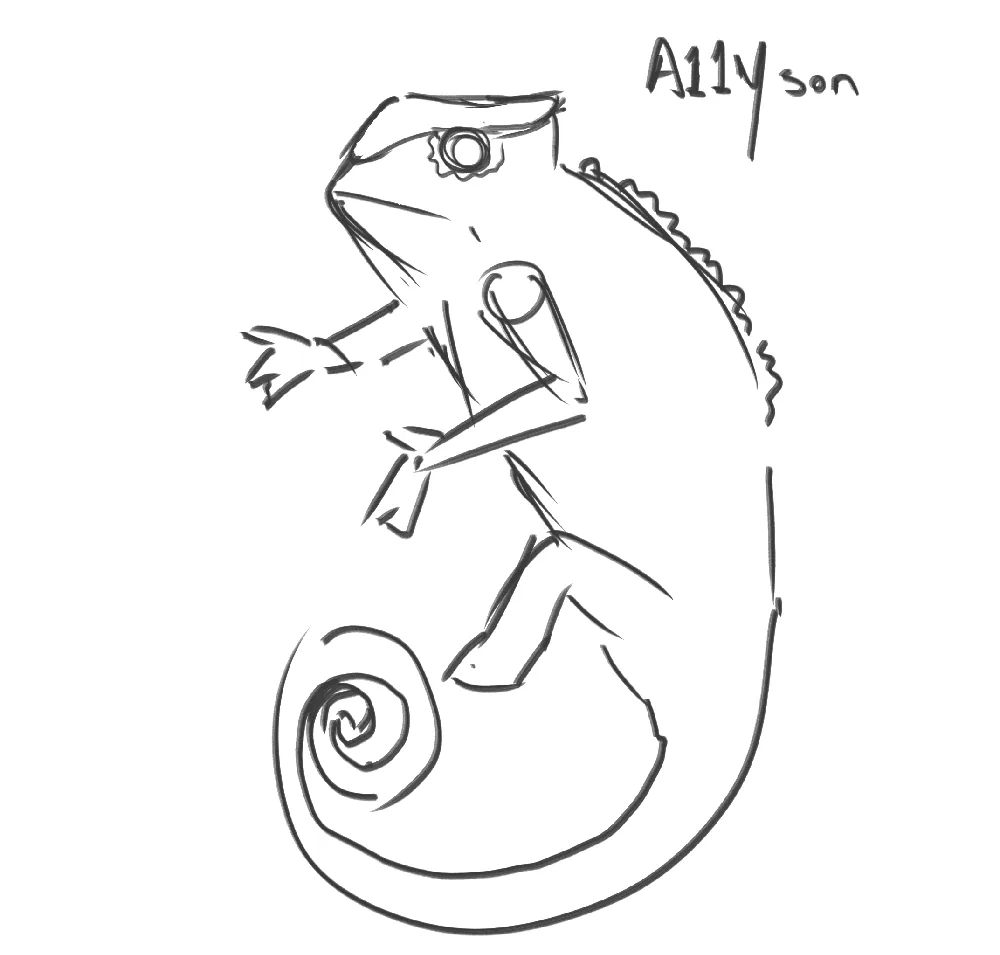
A11Y is shorthand for accessibility, so A11yson is pronounced “Allison”. The mascot is a chameleon: it adapts to its surroundings, just like A11yson adapts the web to each person. I hand-drew the logo in Procreate.
The brand is built around green: calm, natural, and the colour you picture for a chameleon. I first planned a light logo on a dark background, then switched, because dark on light is more legible and easier on the eyes.
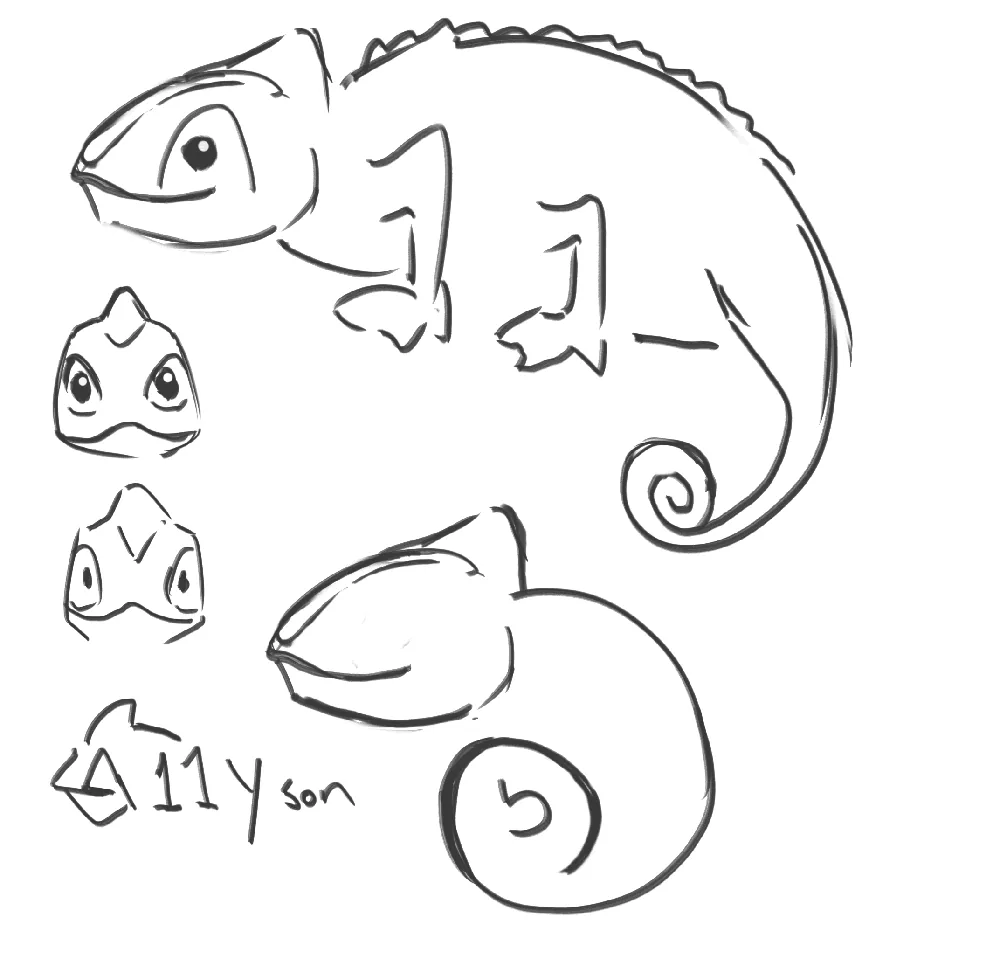
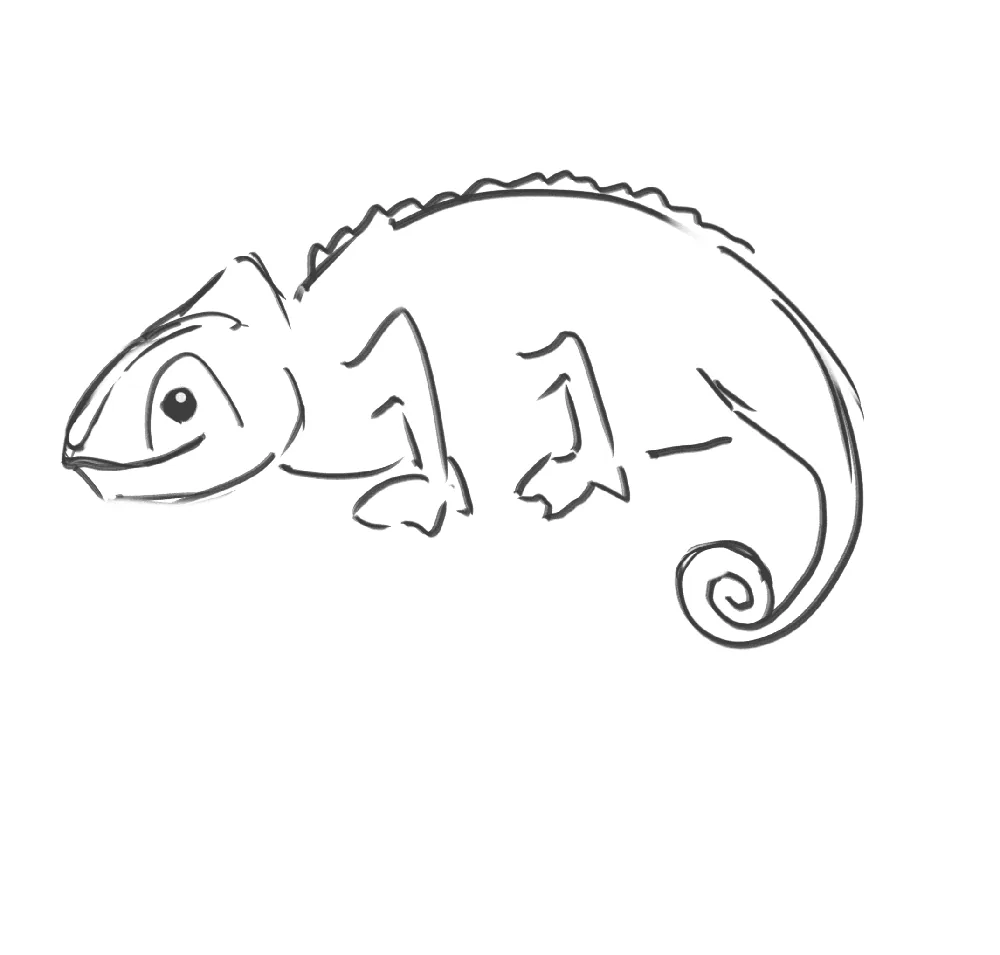
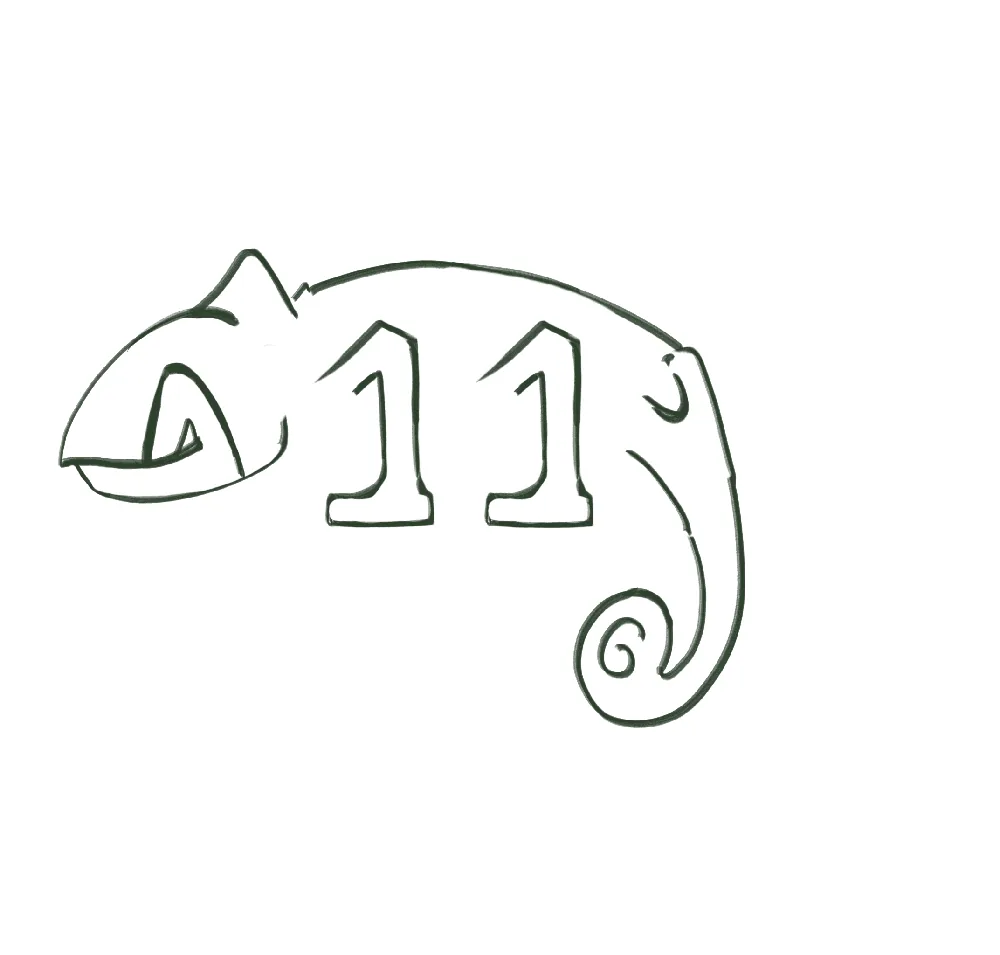
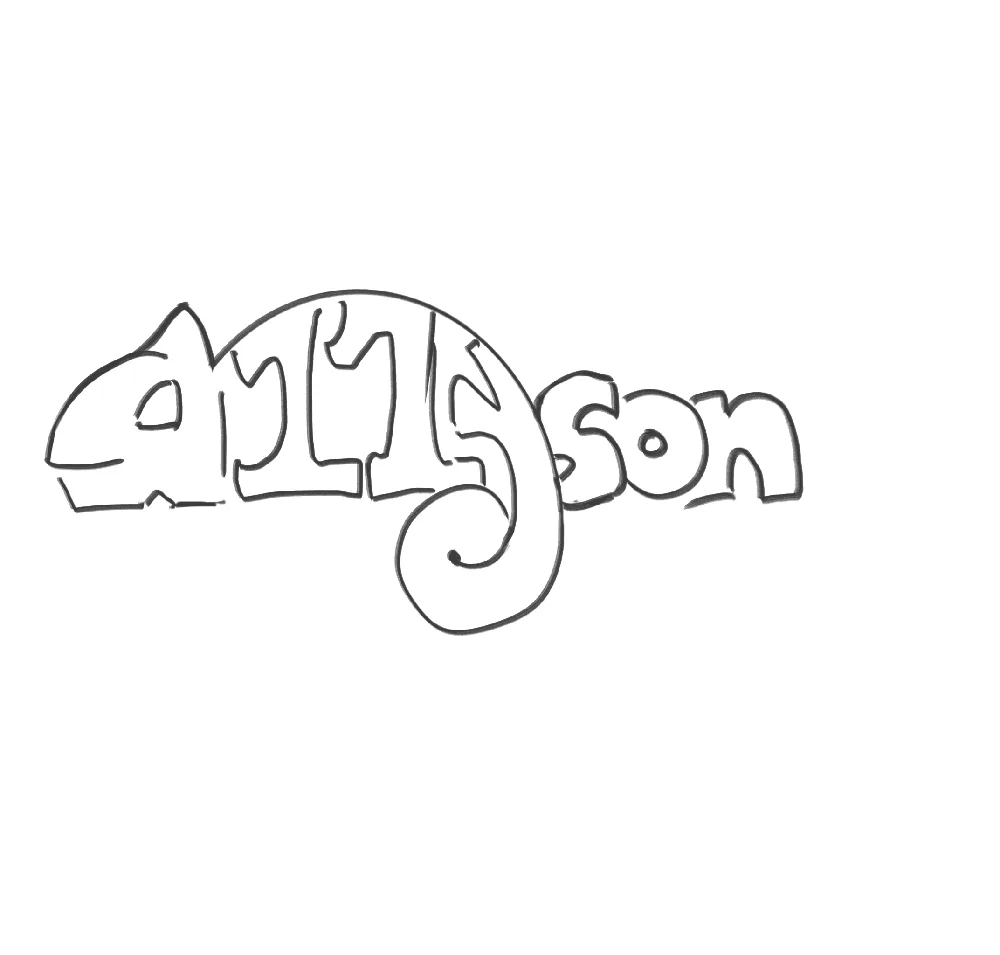
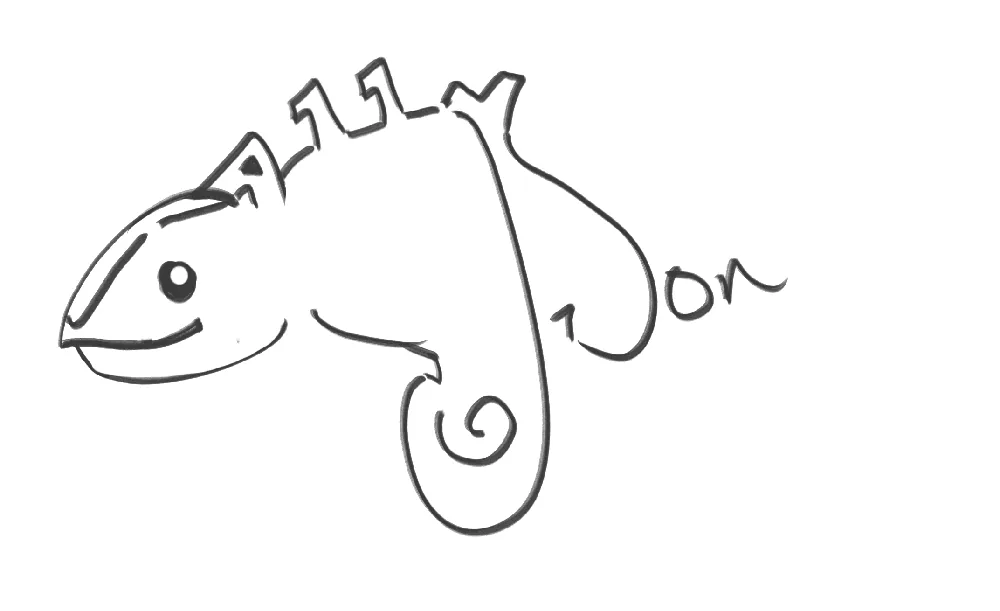
Many judges, especially the design judges, told us how much they loved the logo!
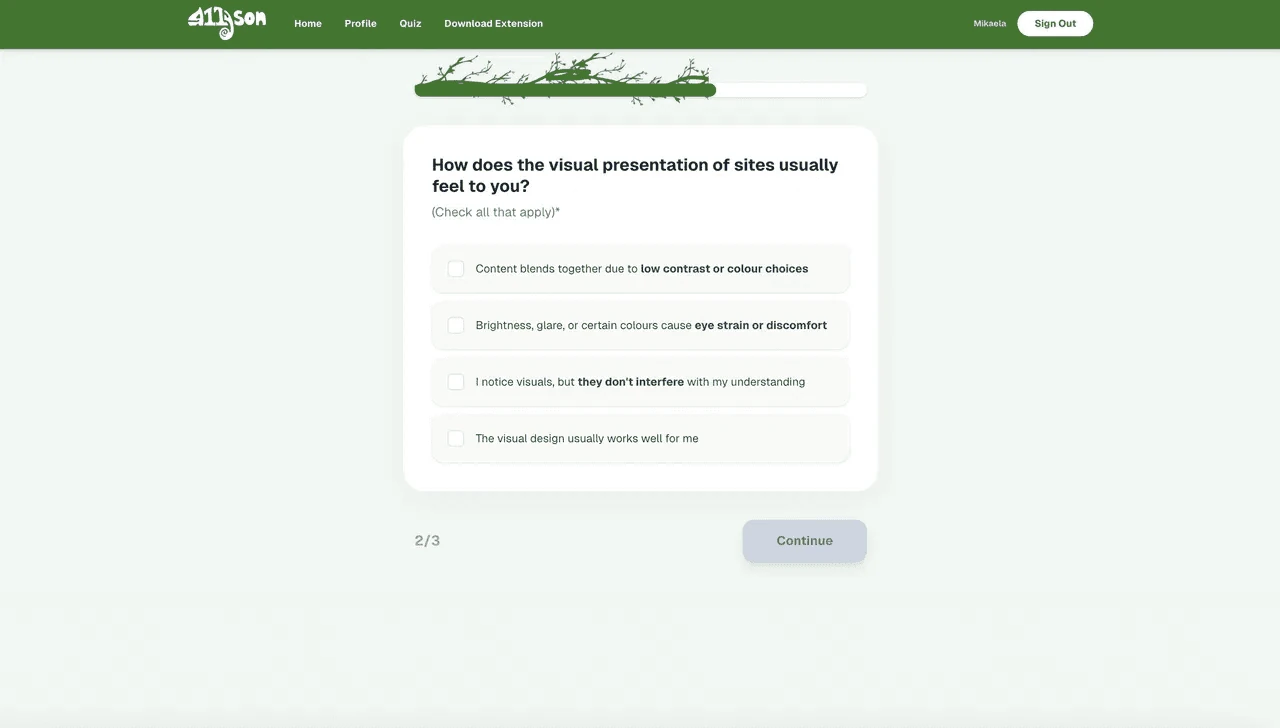
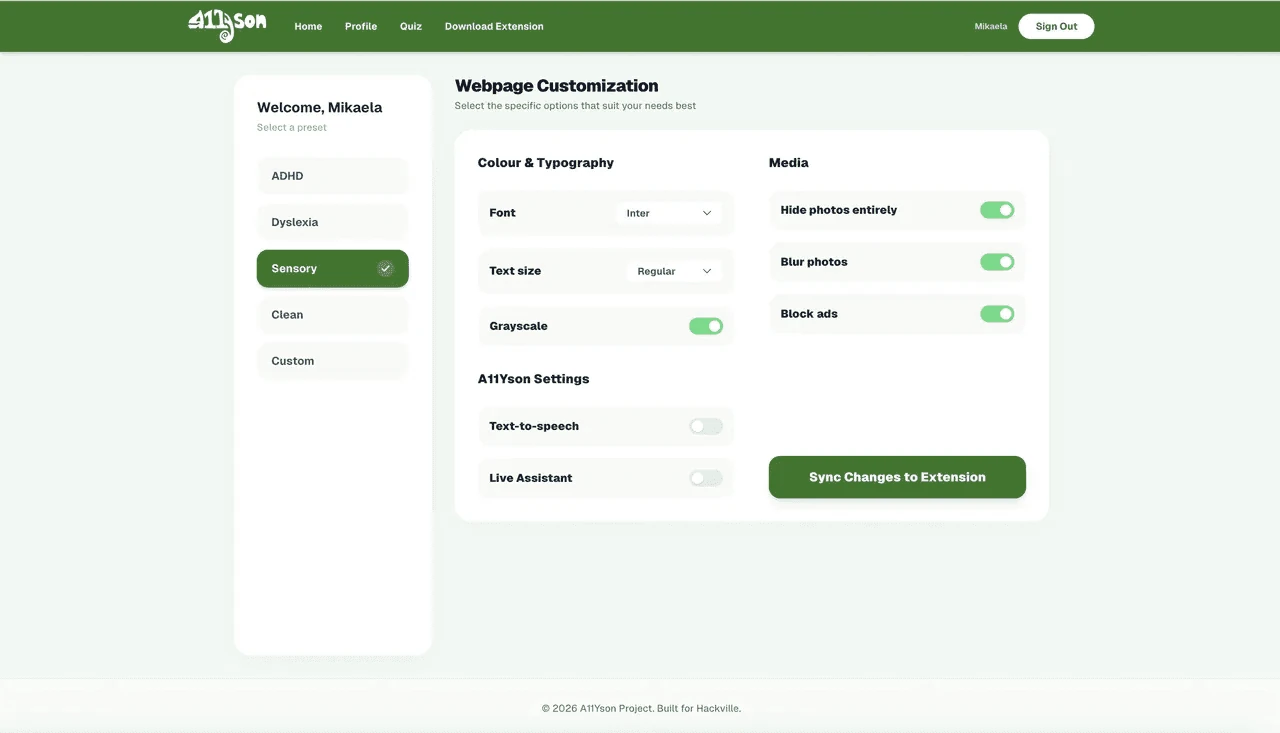
Users take a short quiz about how they experience websites, and A11yson uses AI to suggest a profile. They can pick from four presets, or build their own:
Reduces distractions and visual competition to support focus.
OpenDyslexic font with extra letter and line spacing.
Softer colours and contrast, less visual intensity.
A minimal, distraction-free reading view.
Users can also turn on grayscale, hide or blur images, block ads, and use text-to-speech. An AI voice companion can summarize a page or answer questions about it.
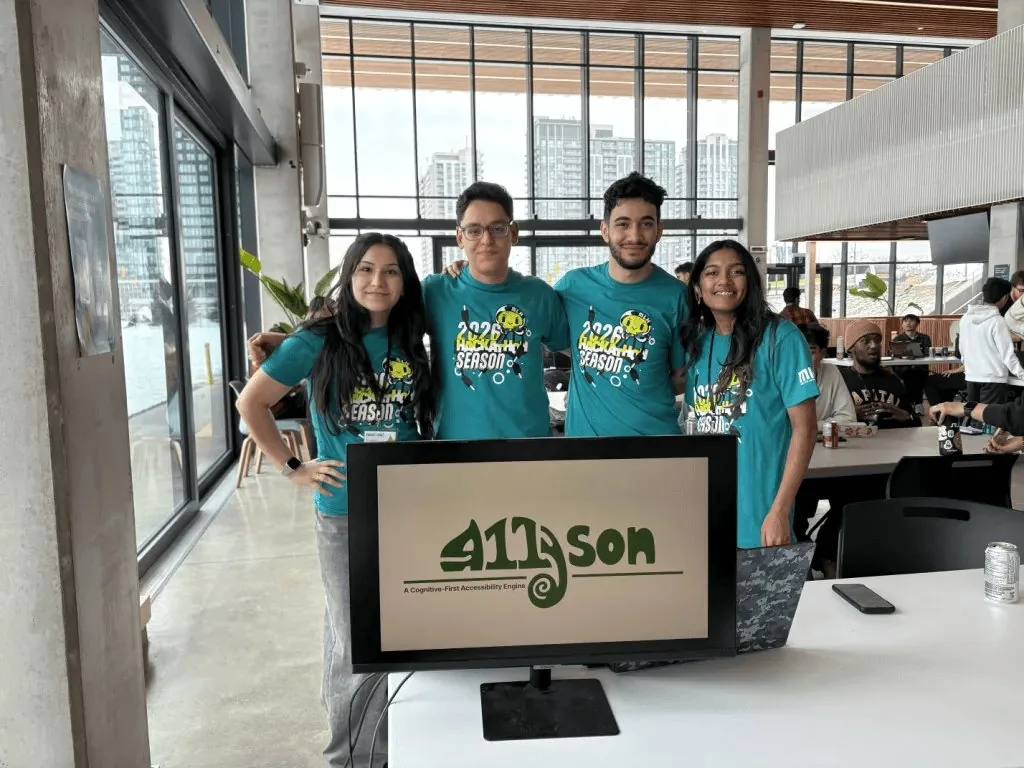
Credits to the rest of my team: developer Ahmad Ayoub, developer George Farag, designer Mikaela Olarte